

Physics makes you a better engineer, and vice versa
10:45 AM - 11:45 AM | Friday, Jan. 23 | BA 1130
* Session will start promptly at 10:45 AM
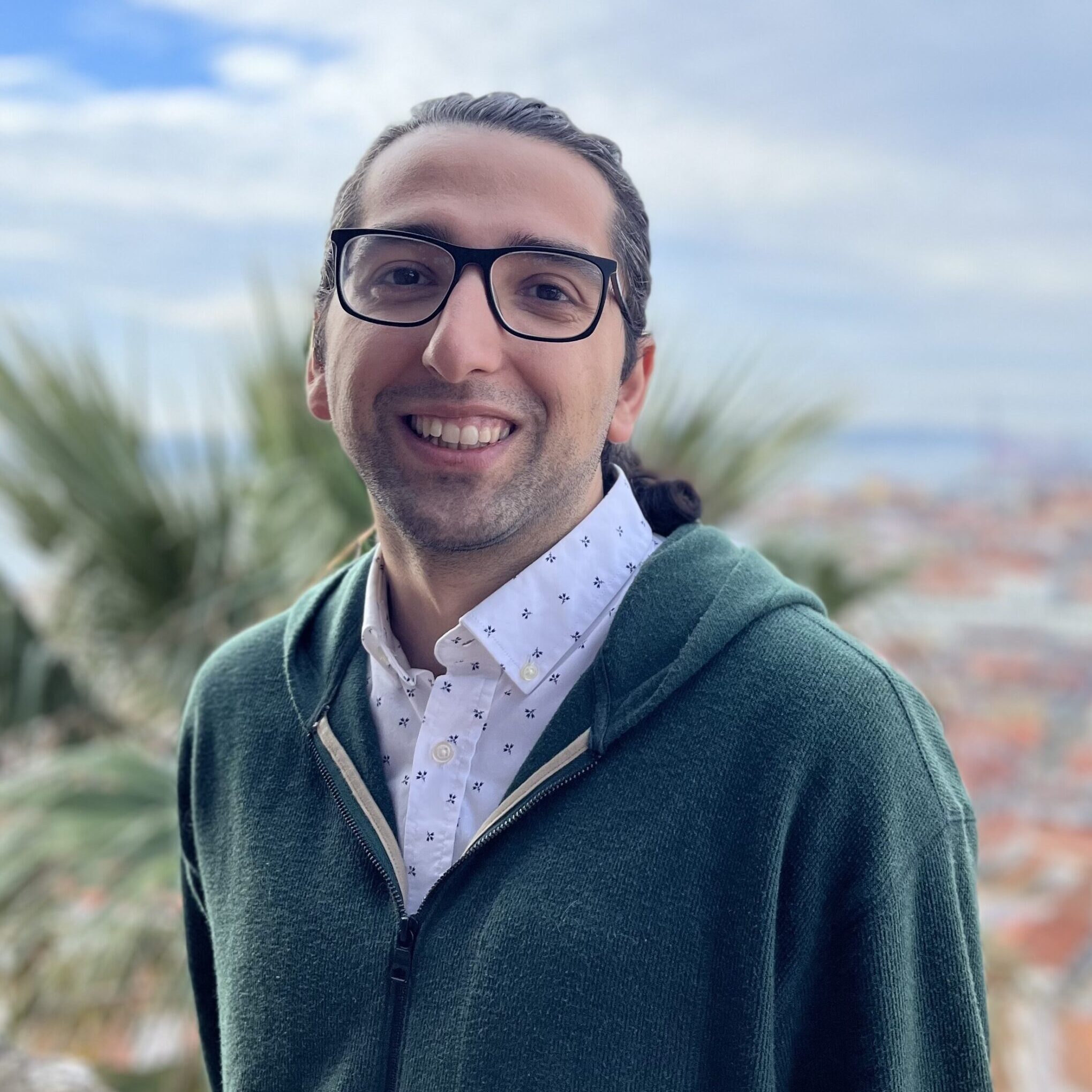
Sepehr Ebadi (EngSci 1T7)
As a high school student, when I first heard about the Physics Option in Engineering Science, I asked myself: what does “engineering physics” even mean? Is it physics, or is it engineering? What does it mean to do both? My notion of physicists and engineers came from popular media, where physicists solely ponder the mysteries of the universe while engineers simply build things without asking deeper questions — this couldn’t be farther from the truth.
In this talk, I’ll describe what it means to be a good experimental physicist: mastering the underlying physics to engineer a novel experiment, and engineering an experiment so well that it reveals new physics.
I’ll share a few projects from my career where deeply understanding physics allowed us to build novel experimental apparatuses that advanced the field. First, I’ll tell the story of how, during my PhD, we built a quantum computer from laser-cooled atoms trapped in optical tweezers. This system not only allowed us to explore fundamental physics, but also to engineer new quantum algorithms.
Next, I’ll discuss my postdoctoral work, where we used radioactive molecules to probe the symmetries of the forces governing atomic nuclei. This required the immense, still undergoing, engineering challenge of designing an experiment capable of both laser cooling and trapping these molecules while safely handling their radioactivity.
Lastly, I will conclude with some practical lessons for young engineering physicists that I wish I had as an EngSci.
Speaker bio:
Sepehr earned his undergraduate degree in Engineering Science (Physics Option) from the University of Toronto (1T6 + PEY). He then moved to Boston, where he completed his PhD in Physics at Harvard, focusing on quantum simulation and quantum information with arrays of individual atoms. Afterward, as postdoctoral fellow at MIT he helped start a lab at the intersection of nuclear and atomic physics with the goal of finding new particles and forces. He is currently a photonics engineer at Apple.

© Engineering Science Education Conference 2026
Last updated on Jan. 9, 2026 by ESEC's Web Team